Congress on Snow and Mountain Tourism to advance the use of new technologies in mountain tourism
|

|
|
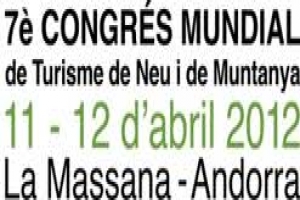
The role of new technologies in snow and mountain tourism will be the focus of the 7th World Congress on Snow and Mountain Tourism, held by UNWTO in collaboration with the Principality of Andorra (La Massana, Andorra, 11-12 April 2012).
Leading experts will discuss the new technologies that have emerged over the past years and their role in revolutionizing tourism marketing, as well as consumer behavior before, during and after a trip. Under the title, Mountain Tourism 2.0: New Strategies for Success, the Congress will outline the strategies needed to attract new visitors and open up mountain destinations to the world market.
“Snow and mountain tourism is an extremely popular market, but one that faces a number of challenges,” said UNWTO Secretary-General, Taleb Rifai. “Innovation and new technologies can play an exciting role in helping these destinations to remain competitive and diversify their tourism product, ensuring year-round tourism, and should be put to greater use.”
Mountain resort professionals from 10 countries will share their experiences on integrating new technologies in their marketing strategies to attract and maintain visitors. Key speakers include the Director of Yongpyong Resort, Republic of Korea, Mr. In Jun Park, and the Managing Director of France Montagnes, Mr. Jean-Marc Silva. Technology experts, including the Managing Director of Google Travel Spain, Mr. Javier González-Soria, will present the latest technologies in areas such as web positioning and satellite communications.
Held since 1998, the World Congress on Snow and Mountain Tourism has emerged as the principal forum for addressing the major issues and challenges for mountain tourism in all its forms and seasons. In 2012, for the first time, the Congress will launch the International Mountain Report, compiling the latest figures and trends in snow and mountain tourism. |
| Back to main page
|
|
|
|
|
|
|

Countdown to World Tourism Day 2012 .. ..
With less than one week to go to World Tourism Day (WTD) on September 27, preparations for the official celebrations in host country Spain are well underway.
(23/09/2012)
|
|

Horse races on the beach
Since 1845, during the evening\'s low tide in the month of August, the beaches of Sanlúcar de Barrameda have been used for horse races. Popular tradition has it that the origins of these celebr (16/08/2012)
|
|
|
|
|
|
|

MITM 2012 IN GRANADA, SPAIN, A PLUS
GSAR Marketing, who celebrates this year its 30th anniversary, offers a plus to exhibitors of the 16th edition of MITM Euromed, Meetings and Incentive Travel Market (08/06/2012)
|
|
|
Ecotourism in Spain
Come and discover Spain’s natural spaces in an original way, but with the utmost respect for the environment (20/03/2012)
|
|
|
|
|
Showing 19 news articles
Back
To Top
|
|









.jpg)



.jpg)