Sports tours and museums in London
|

|
|
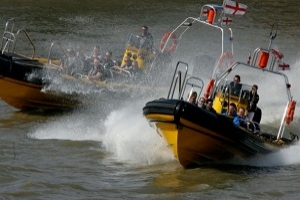
Football, cricket, rugby, golf: name a sport and there\'s a good chance we Brits invented it, wrote the rules or are just plain obsessed by it. And if playing or watching your favourites isn\'t enough, why not check out one of our top sporting museums or tours?
Love your football? Then take a tour of your favourite club. Sit in the dug-out at Manchester United, tour the players’ dressing room at Liverpool FC or discover Celtic’s fascinating history. And if you want to re-live the triumphs and tragedies of English international soccer, visit Wembley Stadium where you can see the England changing room and raise a replica FA Cup. The new National Football Museum in Manchester, opened in 2012, also boasts the greatest collection of football memorabilia ever assembled.
More of a cricket fan? Lord’s in London is the spiritual home of cricket in the UK and for many, the world. Visit to see the tiny Ashes urn, hotly contested by England and Australia, and cricketing kit worn by many of the game’s greatest players. London is also home to Wimbledon, the most prestigious tennis tournament in the world, home to an excellent interactive museum where you can take a \'walk-through\' of the men\'s dressing room as it was in the 1980s, with John McEnroe.
And if rugby’s your game, you won’t find more passionate fans than the Welsh. If you’re in Cardiff don’t miss a tour of the magnificent Millennium Stadium for an insider’s guide to this incredible building with its trademark retractable roof. A visit to the World Rugby Museum at Twickenham is also a must.
North of the border, you’ll find the iconic home of golf, St Andrews Old Course in Scotland. Join the hallowed ranks of pro golfers to play the golf course that Tiger Woods calls “the ultimate”. Not far away, the British Golf Museum tells the story of British golf chronologically, exploring the events, personalities and equipment used throughout the ages.
|
| Back to main page
|
|
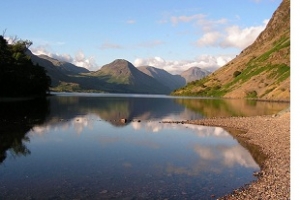
A Britain of Lakes, Lochs, Loughs And Tarns
As I travel through Britain on many a hike or climb it can be very hard to not come across a body of water in some shape or form. Why even a National Park, the Lake District is named from bodies of wa (12/11/2012)
|
|
.jpg)
Tourism Ministers to debate barriers to travel
Reducing visa constraints, simplifying entry processes and developing policies that improve connectivity across borders are the topics on the agenda for the world’s Tourism Ministers as they meet (31/10/2012)
|
|
|
|
|

Live like James Bond
To celebrate the release of Skyfall we explore Bond’s Britain. The UK is the home of James Bond and his creator, Ian Fleming, so where better to live like the world-famous spy?
(10/10/2012)
|
|
|
|
|

There's more to London than sport, says Boris Becker
Tennis legend Boris Becker urges Games spectators to make the most of their visit to London, regretting the many times that he played tennis over the years without ever getting chance to properly expl (12/08/2012)
|
|
|
|
|
|
Sports tours and museums in London
Football, cricket, rugby, golf: name a sport and there\'s a good chance we Brits invented it, wrote the rules or are just plain obsessed by it. And if playing or watching your favourites isn\'t enough (09/07/2012)
|
|
|
|
|
|
|
|
|
|
|
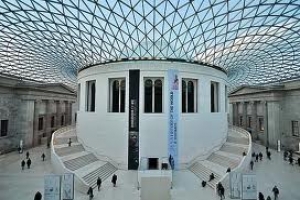
Shakespeare: staging the world
During the summer of the London 2012 Olympic and Paralympic Games the British Museum is presenting a major exhibition on the world and works of William Shakespeare, supported by BP
(22/04/2012)
|
|
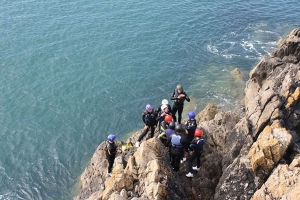
Coasteering and Cliff-diving in Wales
I am coasteering along the Pembrokeshire coastline of West Wales, getting a taste of the country’s wild side. Along with my group of travel partners, our wits and courage are put to the test.
(18/03/2012)
|
|
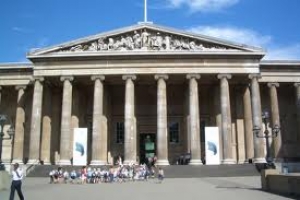
Hajj: Journey to the heart of Islam
The final exhibition in the British Museum’s series on spiritual journeys. This is the first ever major exhibition dedicated to the Hajj; the pilgrimage to Mecca which is central to the Muslim (17/02/2012)
|
|
|
|












.jpg)








.jpg)


.jpg)

